
Businesses searching for a reliable RO Plant Manufacturer in Delhi need a water treatment system that matches their daily consumption, raw-water quality and intended application. Whether you operate a manufacturing facility, commercial building, hotel, hospital or institutional premises, the right reverse osmosis plant can help meet defined treated-water requirements.
Ionmax Engineers offers water treatment solutions for industrial and commercial applications. Depending on the project, the proposed system may include reverse osmosis equipment, filtration units, chemical dosing, high-pressure pumps, membrane assemblies and automated controls.
Every water source has different characteristics. Borewell water, municipal supply and other raw-water sources can vary in total dissolved solids (TDS), hardness, alkalinity, suspended particles and other constituents. Reviewing a water analysis helps determine the appropriate treatment stages. Our approach focuses on understanding your application before recommending a configuration. Plant capacity, product-water quality, operating hours, available utilities and maintenance access are important considerations during project planning.
If you are comparing Reverse Osmosis Plant Manufacturers in Delhi, request a technical proposal that explains the proposed equipment, expected output and design conditions for your site.
Discuss Your RO Plant RequirementYears of Experience
Reverse osmosis (RO) is a membrane-based water treatment process that uses pressure to separate much of the dissolved salt content from incoming water. Water passing through the membrane is called permeate, while the concentrated stream is known as reject water or concentrate.
An industrial RO plant generally operates as part of a complete treatment arrangement. Depending on the raw-water analysis, the system may include:
The final configuration depends on feed-water chemistry, membrane operating limits and the required outlet-water specification.
Industrial facilities may require treated water for manufacturing, equipment washing, boilers, cooling systems or other utility operations. Each application has different water-quality and flow requirements.
When selecting an Industrial RO Plant Manufacturers in Delhi, review the expected permeate output, feed-water assumptions, recovery target and proposed pretreatment equipment.
A recent water analysis and an estimate of daily water consumption provide a useful starting point for technical evaluation. The supplier should explain the conditions under which the stated plant performance is expected.
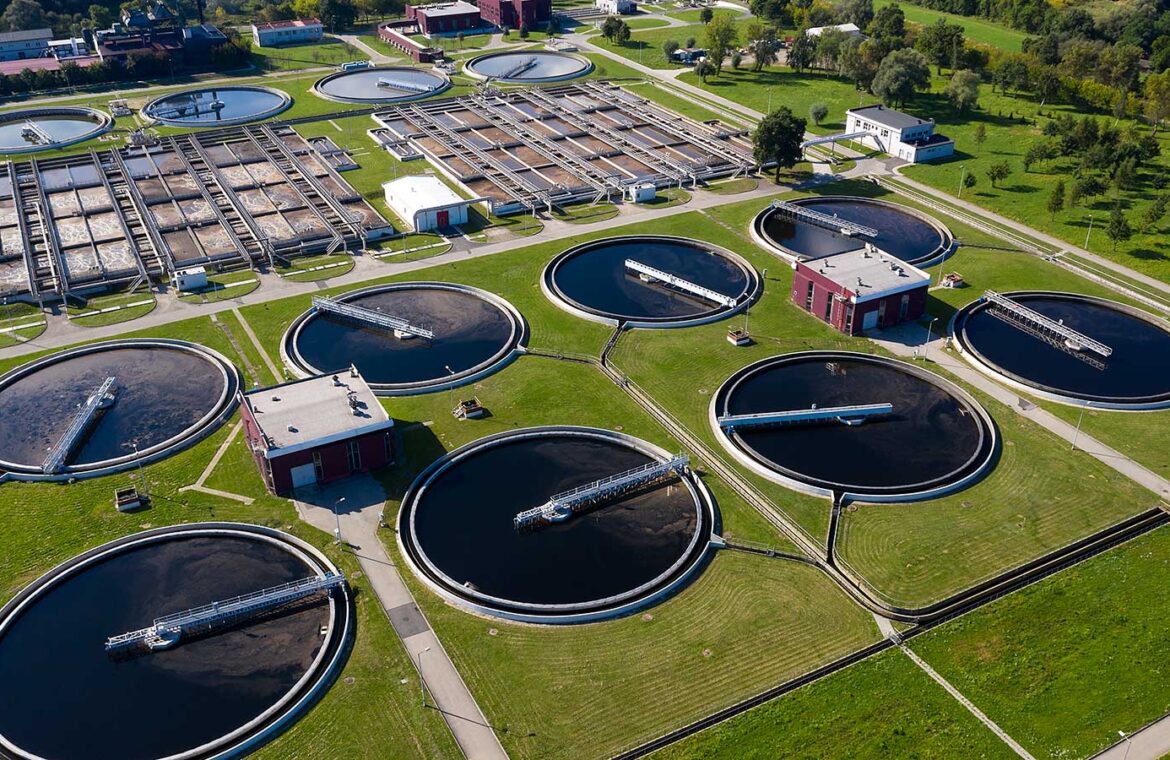
Choosing an RO Plant Manufacturer in Delhi involves more than selecting a machine by its litre-per-hour rating. The system must provide the required quantity of treated water at a quality appropriate for the intended application.
Ionmax Engineers helps businesses evaluate their water treatment requirements and identify a suitable system configuration. Important inputs include the raw-water source, daily demand, operating schedule, product-water specification and installation conditions.
Different applications require different treatment capacities and configurations. The correct system depends on the water analysis, required output, available space and intended use.
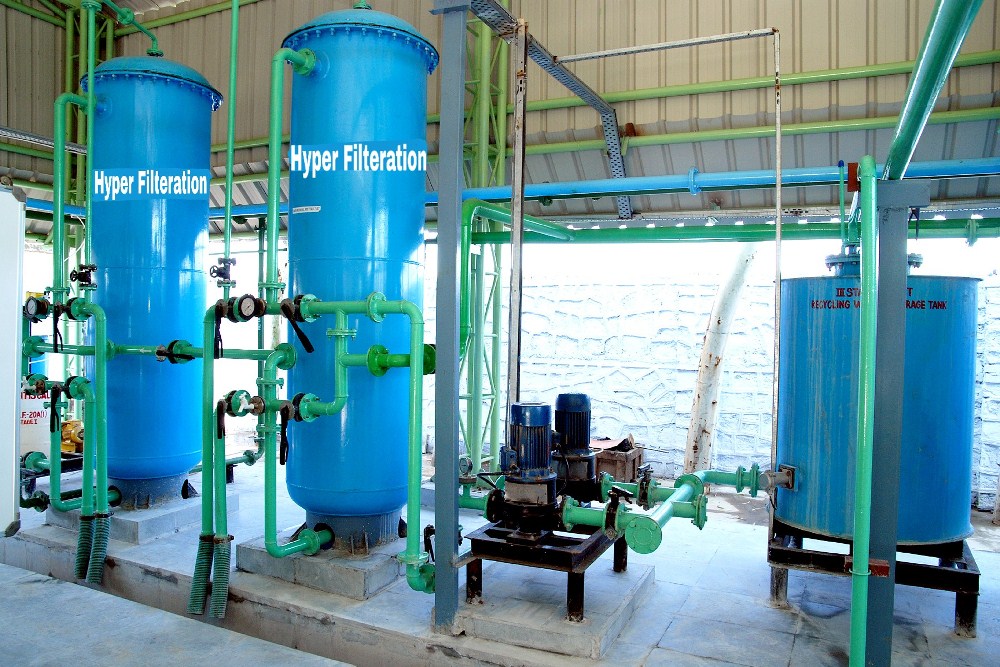
Industrial systems are planned for factories, manufacturing units and facilities that need a defined supply of treated water. Membrane capacity, pretreatment and pump selection depend on the feed-water characteristics and operating requirements.
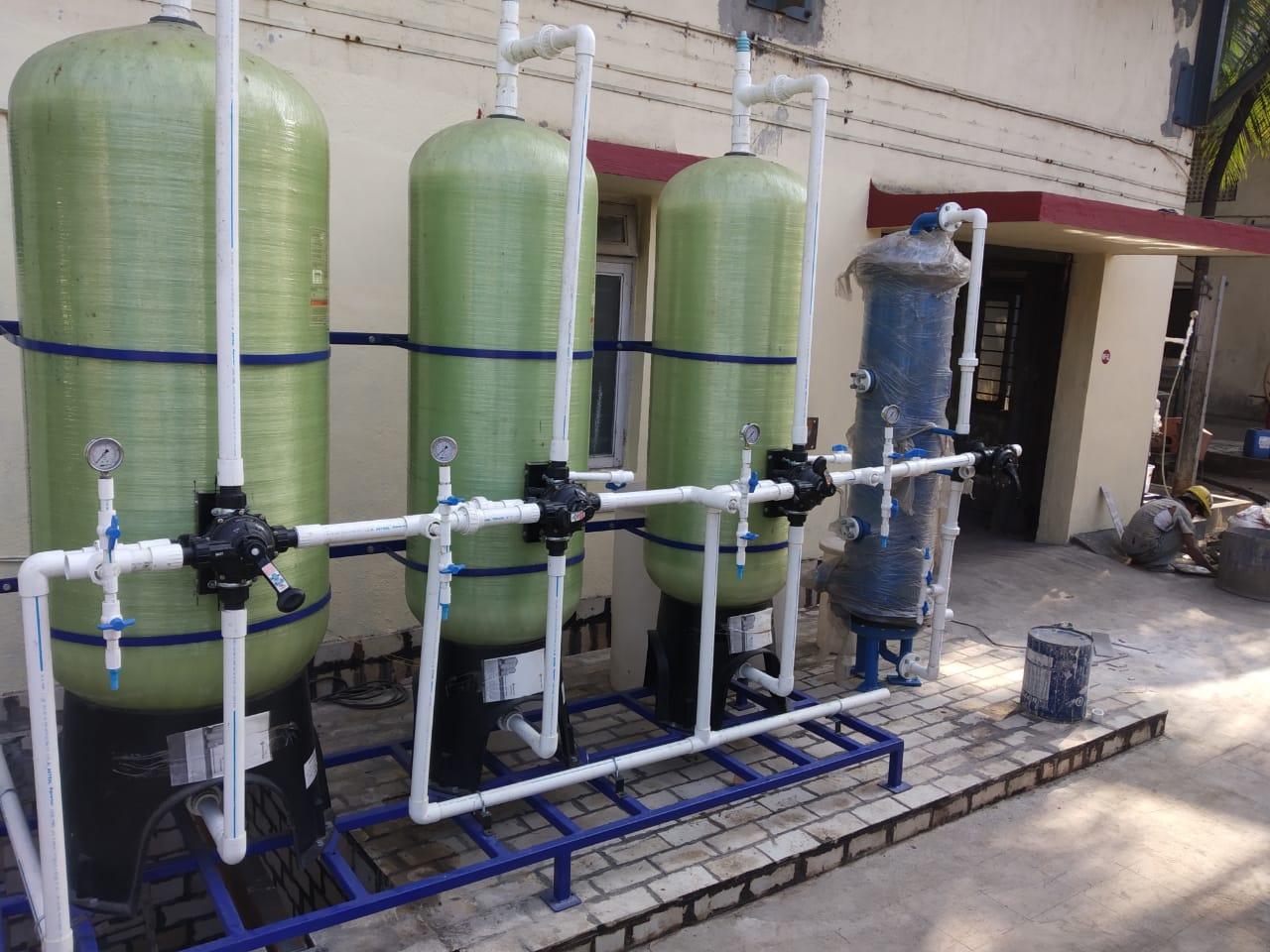
Commercial RO systems can be considered for hotels, offices, institutions and other premises with recurring treated-water demand. Capacity selection should account for consumption peaks and storage.
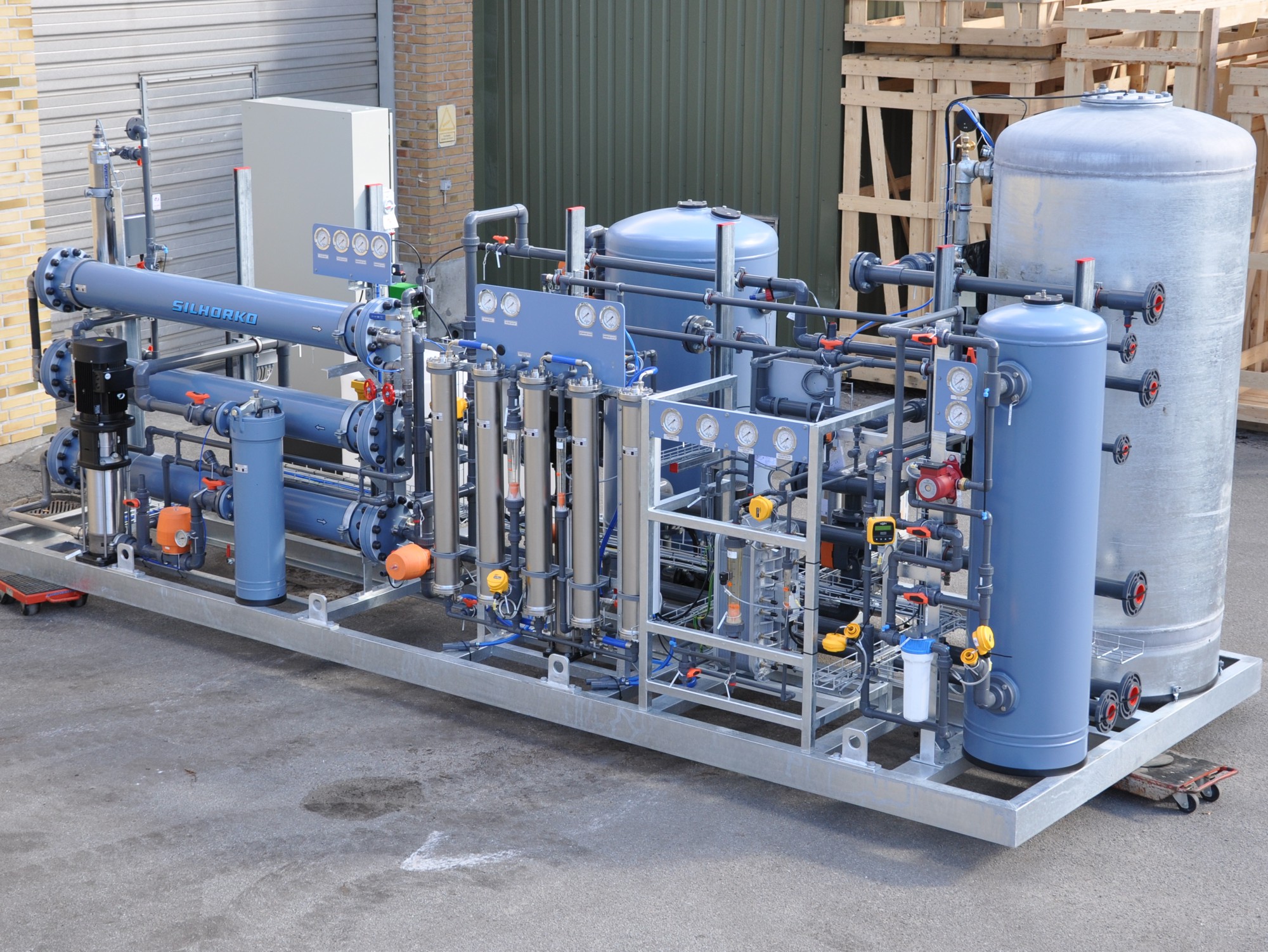
A customized arrangement can incorporate filtration, softening, membrane treatment, instruments and controls selected for a specific feed-water profile and product-water requirement.
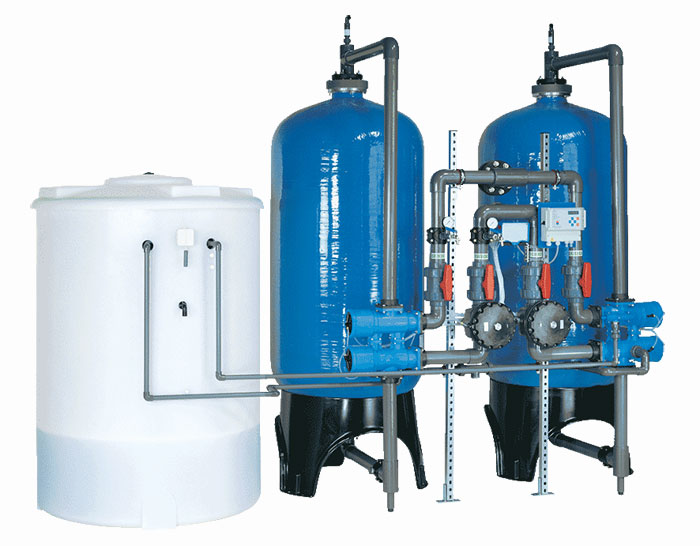
Existing plants may need membrane replacement, pretreatment improvements, control upgrades or operating checks. The appropriate work depends on the equipment condition and performance data.
Effective water treatment begins with a clear understanding of the raw water and the application. An appropriately engineered plant considers the relationship between pretreatment, membrane selection, operating pressure, flow rate and water recovery.
During planning, the proposed system should be assessed against the intended product-water quality. Different applications may require different specifications, and reverse osmosis alone does not automatically satisfy every specialised water-quality requirement.
Feed-water testing can help identify dissolved salts, hardness, suspended matter, iron and other constituents relevant to treatment design. The results guide the choice of filters, scale-control measures and membrane configuration.
Before approving a quotation, ask for the proposed plant output, design assumptions, equipment list and expected water-quality parameters in writing.
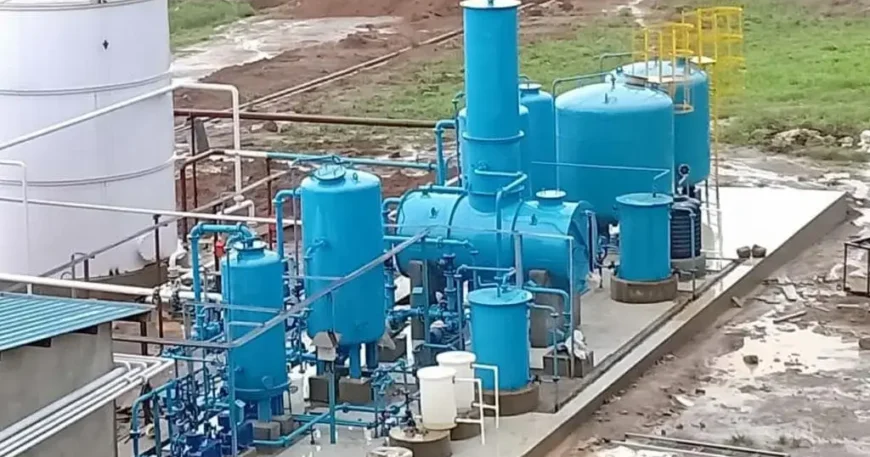
Reverse osmosis systems can be used in a wide range of applications where treated water must meet a defined specification. System design should be based on the actual process requirement rather than assumptions about a particular industry.
Production lines, rinsing operations and utility systems may require water with controlled dissolved-solids levels. Plant capacity and water quality should be matched to the process requirements.
Specialised applications may require additional purification, disinfection, monitoring or validation beyond a conventional RO stage. Applicable process specifications should be established before equipment selection.
Commercial facilities can assess RO plants for suitable service and utility-water applications. Required output depends on occupancy, operating hours, storage and peak consumption.
Water treatment should reflect the intended use, relevant quality standards and any additional treatment required by the production process.
Selecting the appropriate capacity requires understanding how much treated water a facility consumes and when that water is needed. A plant's rated output should be evaluated under its stated design conditions.
Share these details with the supplier to obtain a proposal that explains the expected capacity, treatment configuration and operating assumptions.
Installation involves more than positioning the equipment. The plant requires suitable foundations or support, feed-water connections, product-water piping, electrical provisions, drainage and safe access for maintenance.
Depending on the agreed scope, commissioning checks may include operating pressure, flow, conductivity, leakage, control functions and the quality of the produced water. Initial readings can be documented as a baseline for future monitoring.
Routine maintenance helps identify changes in water quality, flow and operating pressure. The maintenance schedule should follow the equipment manufacturer's recommendations and actual plant operating conditions.
Depending on the system, maintenance activities may include cartridge-filter replacement, membrane performance checks, chemical dosing inspection, instrument verification and cleaning when operating data indicates a need.
When comparing an Reverse Osmosis Plant Manufacturers in Delhi, confirm the availability, pricing and scope of installation assistance, commissioning, spare parts and any Annual Maintenance Contract (AMC).
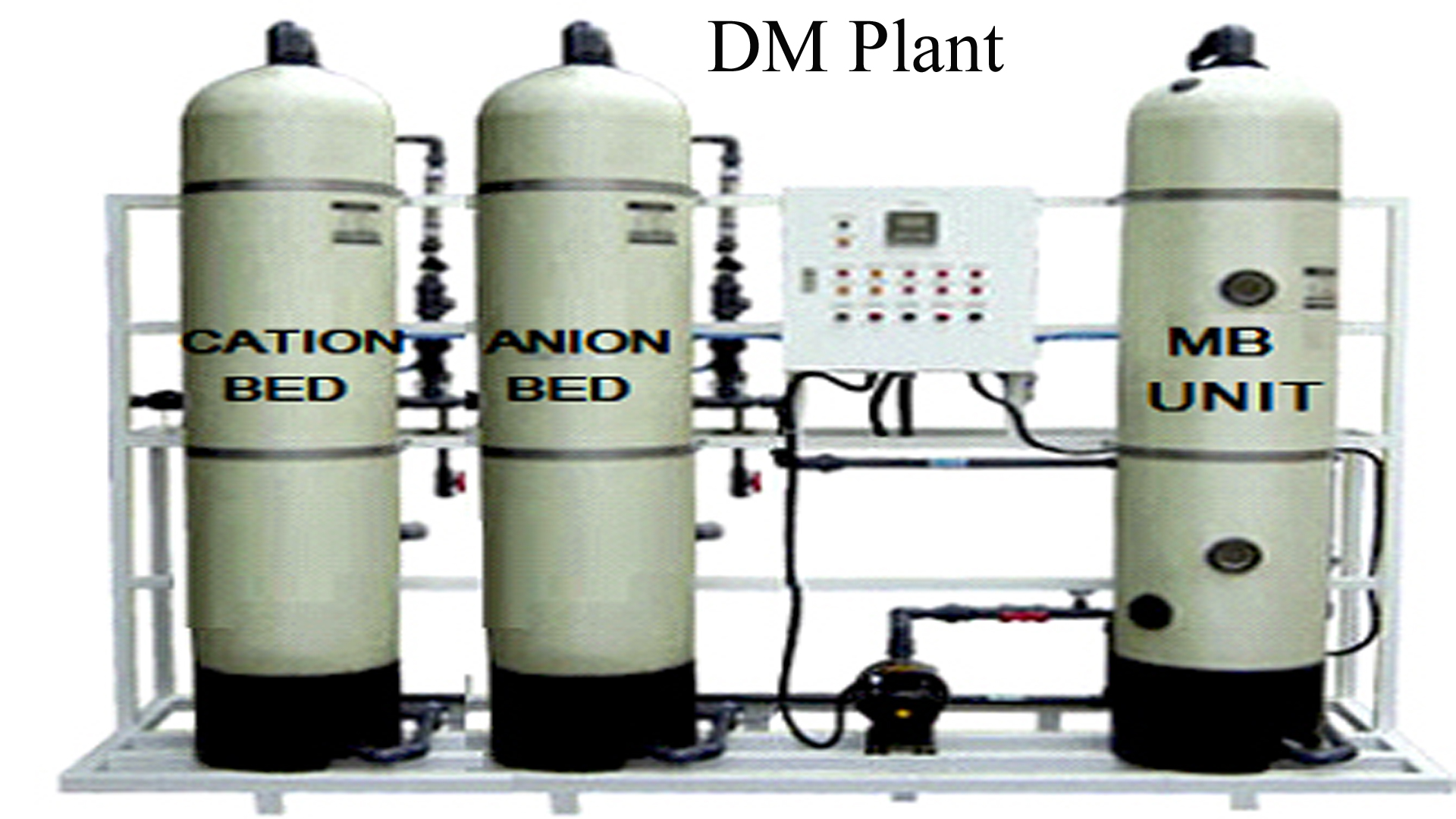
Ionmax Engineers welcomes enquiries for industrial and commercial water treatment projects in Delhi. Project requirements can be evaluated according to plant capacity, raw-water quality, application and installation conditions.
Enquiries may relate to facilities in locations such as:
Businesses in nearby NCR locations, including Noida, Gurugram, Ghaziabad and Faridabad, can also enquire about project requirements. Installation, site visits and maintenance availability should be confirmed for the specific location and scope of work.
Planning an industrial RO plant, commercial water purification system or a wider water treatment project? Contact Ionmax Engineers to discuss the application and the technical information needed for a suitable proposal.
For a more useful initial assessment, prepare:
Depending on the project scope, services may include system design, equipment supply, pretreatment, membrane assemblies, controls, installation assistance and commissioning. Confirm the included services in the quotation.
Compare the proposed design, feed-water assumptions, rated output, expected water quality, equipment specifications, warranty and after-sales support. A recent raw-water analysis helps suppliers evaluate the application.
Important details include daily demand, peak flow, operating hours, raw-water quality, target product-water quality, storage and available utilities.
An RO plant may be suitable for borewell water depending on its composition and the required outlet quality. Water testing helps identify the appropriate pretreatment and membrane design.
No. Pretreatment depends on feed-water chemistry and membrane operating limits. A softener may be appropriate where hardness creates a scaling risk, but other conditions may need different treatment measures.
Permeate is the water that passes through the RO membrane. Reject water, or concentrate, contains a higher concentration of the constituents separated during treatment.
Cost depends on capacity, raw-water quality, pretreatment requirements, membrane and pump specifications, automation, materials, installation scope and additional treatment. A project-specific quotation is needed for a meaningful estimate.
Yes. The treatment stages and supporting equipment can be selected according to feed-water conditions, required output and intended use. Specialised applications may require additional purification and monitoring.
Cleaning frequency depends on operating conditions, feed-water quality and signs of fouling or scaling. Follow the membrane manufacturer's guidance and the plant's established operating criteria.
Yes. Contact Ionmax Engineers to discuss your Delhi project, required capacity and water-quality objectives. Confirm the availability of site services for your specific location.
A useful quotation should specify plant capacity, design conditions, treatment stages, major components, water-quality expectations, recovery assumptions, price, delivery scope, warranty and installation responsibilities.
Yes, where the process requires it. A project may combine RO with a Water Softener Plant, a Sewage Treatment Plant or an Effluent Treatment Plant, but the design must reflect the different purposes and treatment requirements of each system.